

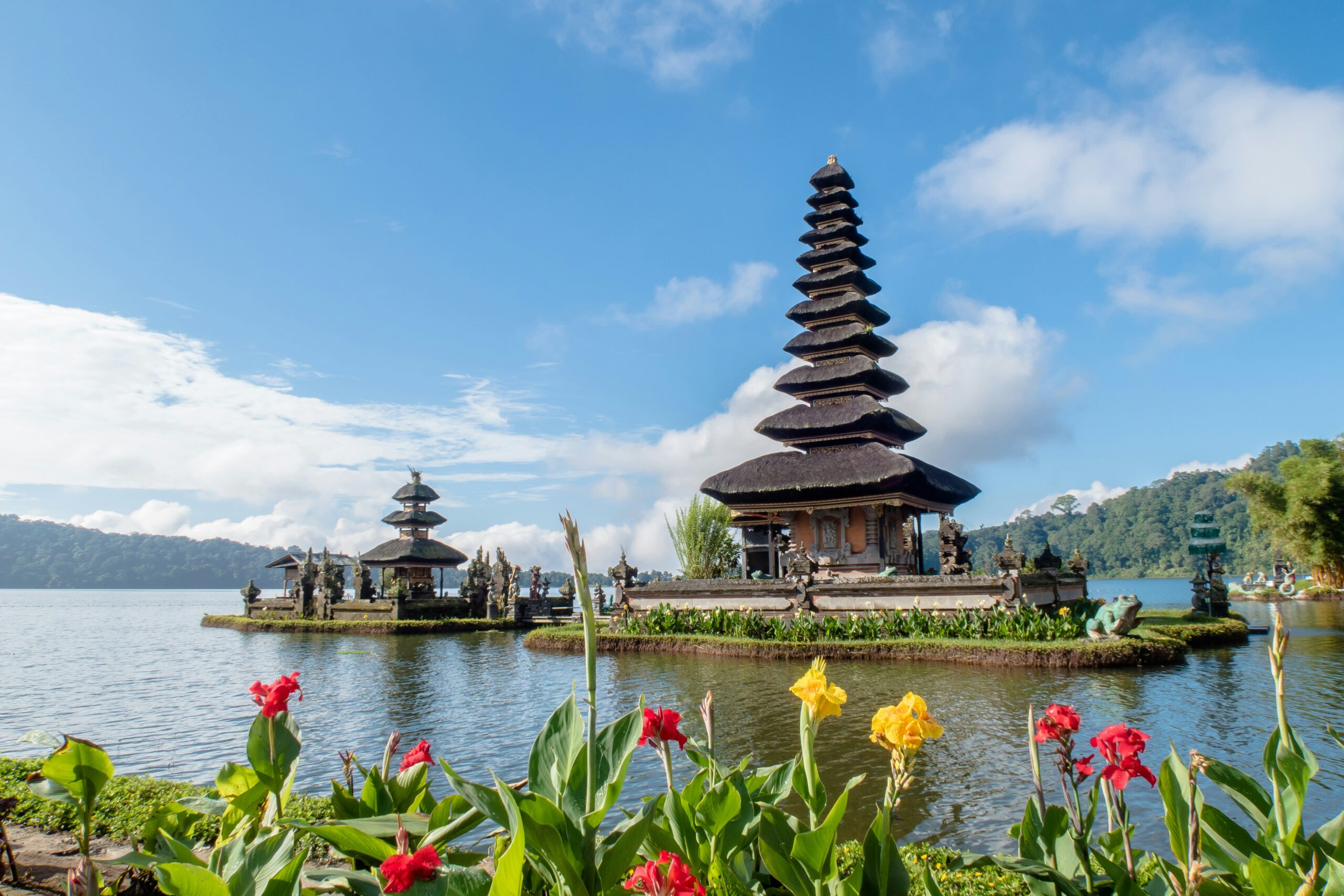
Let’s be real, everyone has Bali on their travel wish list, and I finally get why. The second I landed, I was hit with warm air and wide smiles from the locals making it the perfect way to begin my vacation.
Bali is a mix of spiritual calm, outdoor adventure, and that kind of natural beauty that makes you stop and go, “Wait… this is real?”
If you’re planning a Bali trip, or just thinking about it, here’s a breakdown of how I spent 5 days on the “Island of the Gods.” Spoiler: yes, it lives up to the hype and no, you don’t have to do everything, just the right things.
Day 1: Ubud Vibes
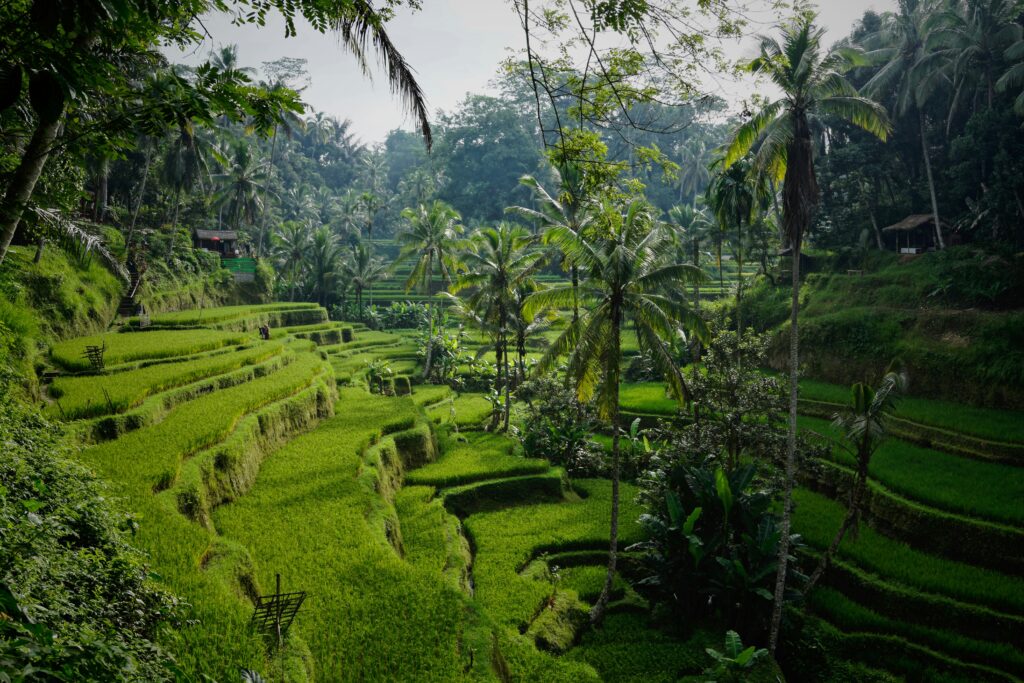
Tegallalang Rice Terrace
Yes, it’s all over Instagram but this place is more than a backdrop. It’s a snapshot of traditional Balinese farming culture. If you plan to visit this UNESCO site, go early to beat the heat and the crowds. We started off at the terraces, with narrow dirt paths that let you walk down into the fields. Along the path, you’ll meet locals who kindly ask for small donations so make sure to carry some cash.
Tip: Wear shoes with grip because the paths can be muddy or slippery, especially after it rains.
Bali’s famous jungle swings are here and there are several swing operators to choose from. Be sure to get that photo, you won’t regret it!
Campuhan Ridge Walk
This is one of Ubud’s best-kept “open secrets”. There is no entrance fee, or sales pitch; just a quiet, scenic path through jungle hills and rice fields.
The path is exposed with little shade so it’s best to go early when it’s cool and quiet. Make sure to enjoy the views, and stop for a bite or massage at Karsa Café along the way. Don’t forget to pack comfortable shoes, water, sunscreen, and your camera.
Neka Art Museum
If you’re looking to explore Bali beyond the beaches and terraces, this is the best place to start. The museum is a record of how Balinese art has evolved and blended with outside influences. There are multiple pavilions to explore in the gallery and each one has a different theme. You can also visit the nearby cafes after for some drinks and food.
Day 2: From Jungle Mischief to Cultural Gems
Sacred Monkey Forest Sanctuary
Yes, there are monkeys. No, they’re not tame. They’ll steal your snacks, your bottle and even your dignity. But it’s also a beautiful sanctuary, with mossy forest filled with banyan trees and hidden statues. There are about 1,200 macaques living in the forest. You can get close to them, but don’t feed, touch, or make eye contact.
Tip: Hide anything shiny or loose. They will take it.
Ubud Palace
Right in the center of town, this place gives you a glimpse into Bali’s royal past. It’s small but charming, and is still home to the Royal Family. You’ll learn about the royal traditions and the role of the palace in Balinese culture.
The front courtyard is free to enter and open to the public. You’ll see stone carvings, traditional Balinese architecture, towering gates and pavilions.
At night, the palace transforms into an open-air stage for Balinese dance and gamelan music. Tickets are usually sold outside the palace and at shops around Ubud.
Ubud Art Market
Directly across from the Ubud Palace is the Ubud Art Market. It is a maze of stalls selling woven bags, sarongs, and souvenirs. Prices aren’t fixed, so channel your inner negotiator and go for it. We got some good deals here.
Day 3: Cliff Temples and Rock Pools
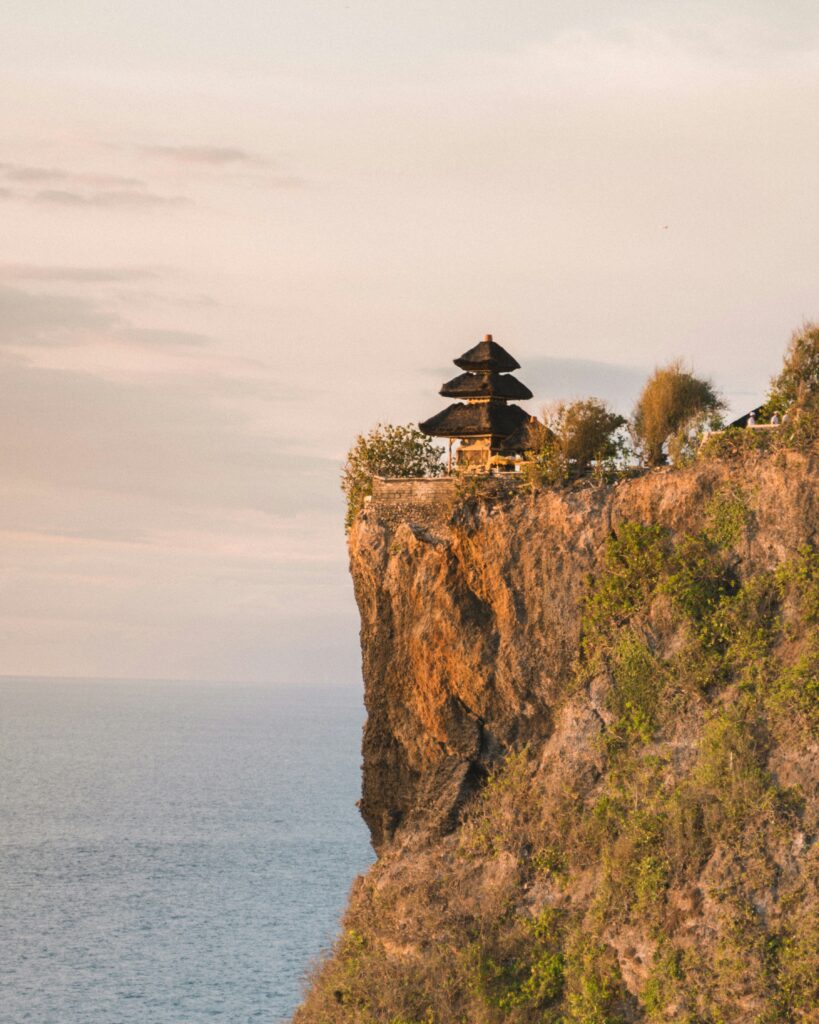
Uluwatu Temple
Located on a limestone cliff, about 70 meters above the ocean, this isn’t just a place of worship. Between the crashing waves below, the sunset, and the monkeys eyeing your glasses, this is one of Bali’s most unforgettable views.
The Hindu Temple is one of Bali’s spiritual pillars and visitors must wear the sarong and sash provided at the entrance. You can’t enter the temple unless you are Hindu however, the grounds are open to all.
Beyond the temple is a walking path along the cliff that has some vantage points. If you are looking for a postcard shot of the temple, this is where you’ll find it.
Angel’s Billabong
This is a natural wonder where emerald tide pools meet the crashing Indian Ocean. If the tide’s low and waves are calm, you can dip in but watch your step. Nearby beaches like Broken Beach and Kelingking are also worth the trek if you’ve got the time.
Day 4: From Colorful birds to Cool Waterfalls
Bali Bird Park
I wasn’t sure I’d enjoy this, but turns out, it’s pretty awesome. There are over 1,000 birds from 250 species across the globe. You can stroll through the park and observe the birds up close in open aviaries. Additionally, you can enjoy a 4D multi-sensory film about birds. There are also guided feeding sessions where you can interact with the birds. Lastly, you can meet the legendary Komodo dragon (yes, they have more than just birds) in a safe and controlled setting. Entry tickets cost around USD$26.
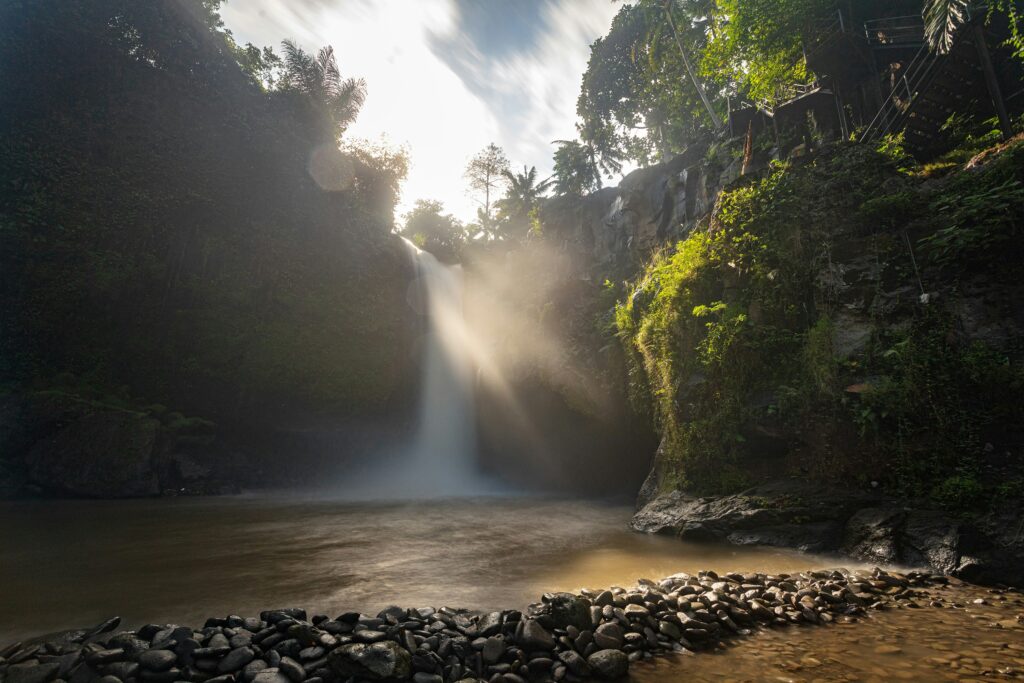
Tegenungan Waterfall
Just a short drive from the bird park, this is one of Bali’s most accessible and photogenic cascades. It is a great spot for photos and anyone craving a cool dip.
The water is cool and refreshing, especially during Bali’s dry season (April-October). You can use a path that leads to a viewpoint above the falls for panoramic views. Entry fee is about USD$2 and be sure to bring your swimsuit, towel, and water shoes.
Day 5: Sunrise and Safari
Mount Batur Viewpoint
If you’re into sunrises, this is your moment. The hike up Mount Batur is no joke, but the view at the top? Unreal. If hiking isn’t your thing, book a jeep ride through the black lava fields to see scenic viewpoints.
After your trek, you can unwind at the Batur Natural Hot Spring.
La Montagne Coffee
This café offers a peaceful escape while enjoying locally grown coffee and overlooking Mount Agung. It is the perfect location for breakfast or brunch and ideal for travelers wanting to reflect or write.
Taman Safari Bali
This isn’t your typical zoo. You’re in a tram or jeep rolling through enclosures where animals roam around you. You can feed giraffes, hang with elephants, or snap a selfie with a macaw. Yes, you can even ride an elephant (ethically and with guidance).
Getting Around
- Scooter Rental: Cheap, easy, fun, but only if you’re confident on two wheels.
- Taxis & Ride Apps (GoJek/Grab): Reliable, cheap, and perfect if you don’t want the scooter chaos.
- Tours & Shuttle Buses: Best for group excursions and day trips.
Where to Stay
Whether you’re balling on a budget or living a luxe life, Bali has options.
Budget ($):
- Ubud Tropical Garden: The hotel has cozy rooms and is located near the Monkey Forest, shopping centers, great restaurants and many more. See Ubud Tropical Garden to book.
- Uluwatu Cottages: This accommodation is located on a clifftop and the cottages are designed with natural elements and thatched roofs. See Uluwatu Cottages for more.
- Champlung Sari Hotel: Walkable distance to downtown Ubud and offers great value for the price. See Champlung Sari Hotel for more.
Mid-Range ($$):
- The Seminyak Beach Resort & Spa: The hotel has very stylish rooms as well as beachfront access. It is also close to cafes and nightlife. See The Seminyak Beach Resort to book.
- Alila Ubud: A tranquil hideaway with an infinite pool perfect for couples. See Alila Hotels for more.
- Komaneka at Bisma: The resort overlooks the Campuhan river valley and the suites have great views of rice fields and the tropical forest. See Komaneka at Bisma for more.
Luxury ($$$):
- Four Seasons Resort Bali at Sayan: Luxury resort with lots of amenities, beautiful rice field views and riverfront villas. See Four Seasons at Sayan for more.
- The Legian Bali: Beachfront suites with great service and fine dining. See The Legian Seminyak for more.
- Six Senses Uluwatu: Cliffside eco-luxury resort with sunset views and wellness programs. See Six Senses for more.
Where to Eat
- Locavore: An award-winning modern Indonesian menu in Ubud Center.
- Sisterfields Café: Aussie brunch spot offering coffee, burgers, smoothie bowls.
- The Warung at Alila Villas: Fine dining Indonesian menu with ocean views.
- Ibu Oka: Famous for Babi Guling (roast suckling pig which is a Balinese specialty) located on Ubud main road.
- Mason: Mediterranean wood-fired meats with cocktails.
Best Time to Go
The best time to visit Bali is during the dry season from April to October because of the sunny days and calm seas.
May, June and September are the best months as there are fewer crowds, great weather and better prices.
Bali is the kind of place that give you everything; peace, adventure, art, food, and yes, monkeys with a taste of sunglasses. Whether you’re chasing waterfalls, wandering temples, or just lying by the pool with a coconut, this island’s got you covered.
If you decide to make this a solo trip, checkout Solo Travel 101 for tips on solo travel.






Leave a Reply